
If you've never bought lubricant before, the category is more confusing than it needs to be. Different formulas, different ingredients, different compatibility rules. Most of the marketing doesn't explain any of it clearly.
This post does.
Why People Use Lubricant
The short answer: it makes sex more comfortable and more enjoyable.
The longer answer: natural lubrication varies significantly from person to person and changes throughout life. Hormonal shifts during the menstrual cycle, perimenopause, postpartum recovery, stress, certain medications, and plain individual variation all affect how much natural lubrication the body produces. None of that is a problem. It's just physiology.
Lubricant isn't a fix for something broken. It's a practical tool that removes friction, reduces the risk of irritation or microtears, and makes the experience better for both people. Most people who try it wonder why they waited.
The Four Types of Lube
There are four main types of lube: oil-based, water-based, silicone-based and hybrid. They differ in how they feel, how long they last, how they wash off and which condoms and toys they work with.
| Type | How it feels | Latex condoms | Silicone toys | Clean-up |
|---|---|---|---|---|
| Oil-based | Thick and cushioning, long-lasting | Not compatible (fine with polyurethane) | Compatible | Soap and warm water, can stain fabric |
| Water-based | Light, close to natural moisture, needs reapplying | Compatible | Compatible | Rinses off with water |
| Silicone-based | Silky, very long-lasting, holds up in water | Compatible | Not recommended | Soap and water, can stain fabric |
| Hybrid | Creamy, longer-lasting than water-based | Usually compatible, check the label | Test a small spot first | Mostly rinses off with water |
Oil-based lube
Oil-based lubricants are thicker, longer-lasting, and tend to feel more cushioning. They don't absorb quickly, which means less reapplication. They're good for skin and can double as massage oil. The main limitation is latex condom compatibility: oil degrades latex, so oil-based lubricants are not safe to use with latex condoms. They work fine with polyurethane condoms, but not with polyisoprene ones.
Water-based lube
Water-based lubricants are lighter, absorb into the skin faster, and are compatible with all condom types including latex. They're also safe with all toy materials. The tradeoff is that they require more reapplication than oil-based formulas. They tend to feel closer to natural lubrication in texture.
Silicone-based lube
Silicone lubricants feel silky and last a long time, because silicone doesn't absorb into skin or dry out. They also hold up in water, which makes them a common pick for the shower or bath. They're compatible with latex condoms.
The usual caution is toys. Silicone lube can wear down the surface of silicone toys, so pair it with glass, metal or hard plastic instead. It takes soap and water to wash off and can stain fabric.
Hybrid lube
Hybrid lubricants are usually water-based with a small amount of silicone added. They feel creamier and last longer than water-based alone, and still wash off more easily than pure silicone.
Water and silicone hybrids are generally compatible with latex condoms, but a few hybrids use oil instead of silicone, so check the label. Because they contain silicone, test a small spot before using one with a silicone toy.
Which type to start with
If you use latex or polyisoprene condoms regularly, start with water-based. If you don't, oil-based is worth trying.
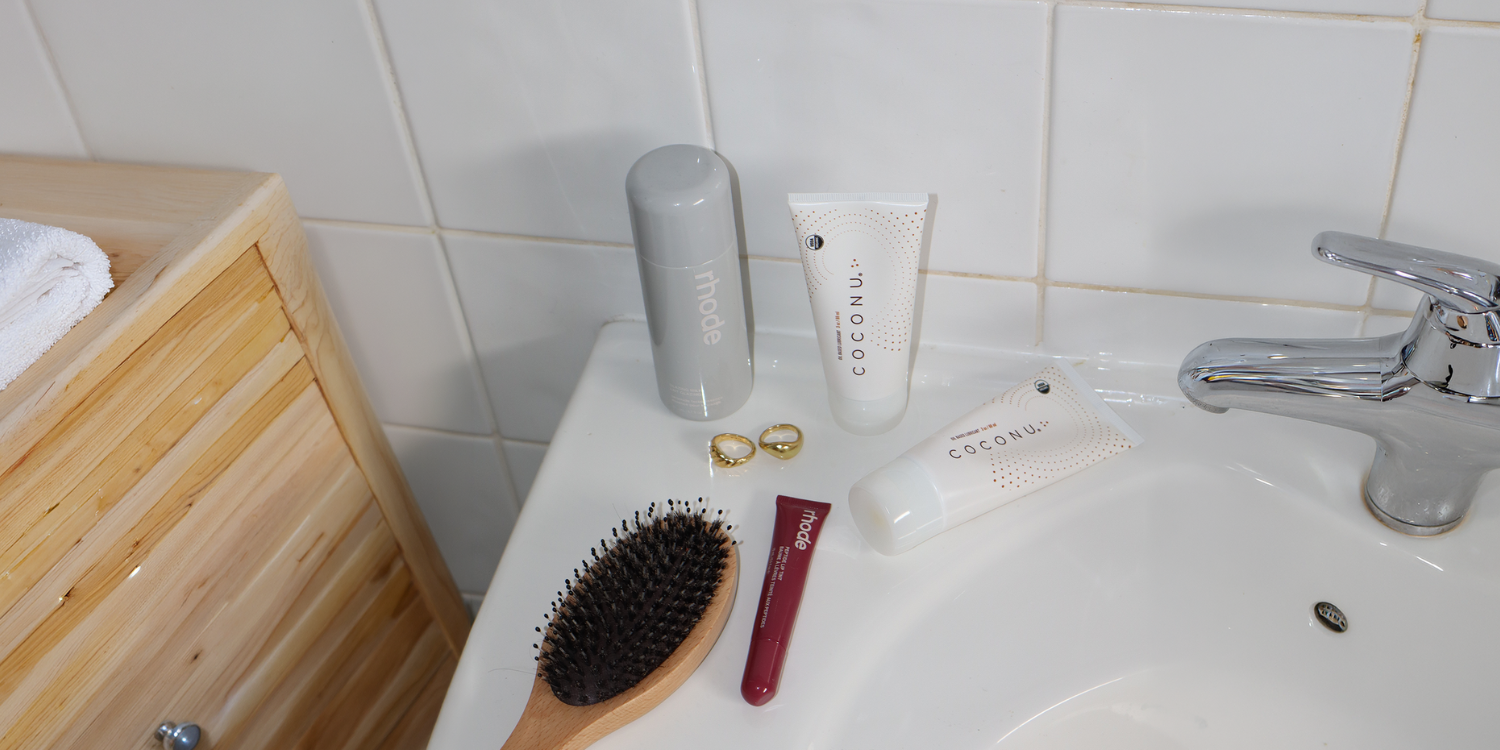
Coconu makes one of each: a water-based lubricant that is FDA 510(k)-cleared and made with organic coconut water, and an oil-based lubricant that is USDA Certified Organic. If you want flexibility, the oil and water combo pack covers both.
What to Look for on the Ingredient Label
This is where most people don't know to look, and where the quality differences between products are most obvious.
Avoid glycerin. It's a common lubricant ingredient that can disrupt vaginal pH and feed yeast overgrowth, particularly with regular use. It also leaves a sticky residue.
Avoid petroleum-based ingredients like mineral oil or petrolatum. These are occlusive and difficult to clean thoroughly. They don't belong in intimate care.
Avoid parabens, synthetic fragrance, and dyes. These are common irritants with no functional benefit in a lubricant.
The cleanest formulas have short ingredient lists made entirely of plant-based oils or, for water-based options, a simple base like coconut water with minimal preservatives.
USDA Certified Organic is the most meaningful certification to look for. It's independently verified by a third-party agency and means the formula meets strict organic ingredient standards. It's a higher bar than "natural" or "plant-based," which are unregulated claims any brand can make.
A Note on Sensation Products
You'll find lubricants marketed with warming, cooling, or tingling sensations. These typically contain menthol, capsaicin derivatives, or similar additives to create the effect.
For a first purchase, skip these. They introduce variables that make it harder to know whether any irritation is from the additive or from something else. Start with a clean, unflavored formula and build from there.
How Much to Use
Less than you think, then more if needed.
With oil-based lubricant, a small amount goes a long way. Start with a pea-sized amount, apply to both partners, and add more as needed. With water-based, you'll likely reapply during use, which is normal.
There's no maximum. Using more is never wrong if it's comfortable.
Oil-Based or Water-Based First
For most people who are not using latex or polyisoprene condoms, oil-based is the better starting point. It lasts longer, requires less reapplication, and tends to feel more natural. For people who use latex or polyisoprene condoms, water-based is the right choice.
Coconu's oil-based lubricant is USDA Certified Organic through CCOF. It's built on eight plant-based ingredients, free of glycerin, petroleum, parabens, synthetic fragrance, and dyes. It's edible, hypoallergenic, and long-lasting. If you're not sure where to start, it's a reasonable first purchase for anyone not using latex condoms.
Not sure which formula is right for your situation? The product quiz on coconu.com takes about 60 seconds and gives a specific recommendation based on how you answered.
The One Thing Worth Remembering
Lubricant is not a sign that something is wrong. It's a standard part of a good intimate experience for most people, most of the time. The sooner that framing replaces the stigma, the better the experience gets.
FAQ
What type of lubricant should a beginner use?
It depends on condom use. If you use latex or polyisoprene condoms, start with water-based lubricant. If you don't, oil-based is worth trying first. It lasts longer and requires less reapplication.
Can lubricant be used with condoms?
Water-based lubricant is safe with all condom types. Oil-based lubricant is not compatible with latex or polyisoprene condoms. It works with polyurethane condoms.
What ingredients should I avoid in lubricant?
Avoid glycerin, petroleum-based ingredients, parabens, synthetic fragrance, and dyes. Look for a short, plant-based ingredient list with no synthetic additives.
Is USDA Certified Organic lubricant worth it?
Yes, particularly for people with sensitive skin or anyone who uses lubricant regularly. USDA Certified Organic is independently verified and excludes petroleum derivatives, synthetic fragrances, and most common irritants by default.
How much lubricant should I use?
Start with a small amount and add more as needed. There's no maximum. With oil-based formulas, a little goes further than you'd expect.