
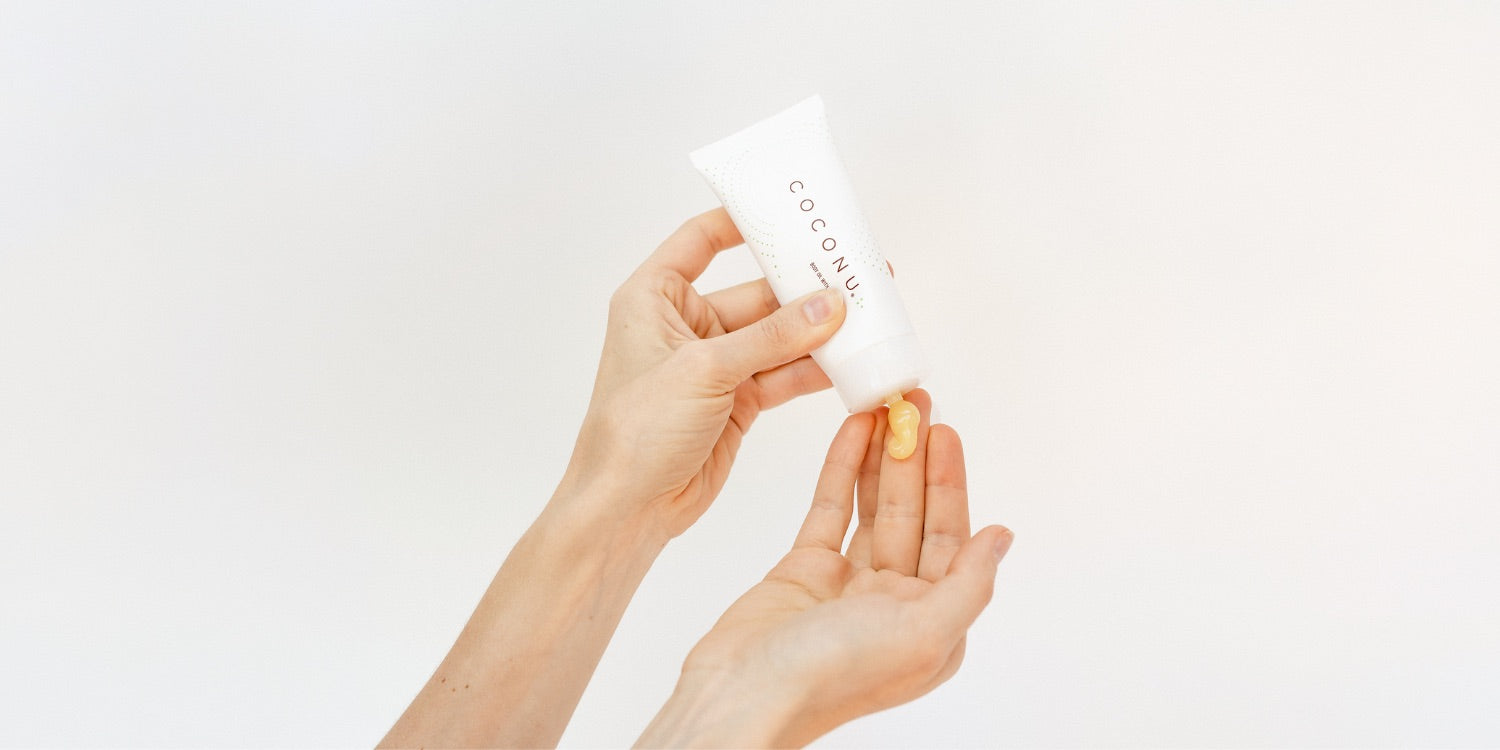
A vaginal moisturizer helps with ongoing dryness and is used regularly. A lubricant helps reduce friction during intimacy and is used when you need it. You can use both, and needing one does not mean the other is not doing its job.
When I think about which one to choose, I start with a simple question: when are you uncomfortable? If it is mainly during intimacy, lubricant may be enough. If you feel dry while sitting at your desk, walking, or getting through your day, it is worth looking beyond the bottle on your nightstand.
What does a vaginal moisturizer do?
A vaginal moisturizer is made for recurring dryness, including on days when you are not being intimate. Depending on the formula, it may help hold moisture in the tissue or provide soothing moisture care. It is something you use on a routine, following the product’s directions.
You will find vaginal moisturizers as gels, creams, and inserts. Some contain hyaluronic acid, an ingredient that helps retain moisture. The format you choose should fit both your symptoms and what you are comfortable using.
Check where the product is meant to go. The vagina is internal; the vulva is the external area, including the labia. A balm labeled for external vulvar use should not automatically be used inside the vagina.
What does a lubricant do?
Lubricant adds slip so touch and movement feel smoother. You apply it before or during intimacy, and add more if you need it. It can be useful with a partner, on your own, or with a compatible toy.
I like thinking of lubricant as something you can reach for because it feels good. You do not need to wait until you are painfully dry, and you do not have to explain or apologize for wanting more glide.
Lubricants come in water-based, oil-based, and silicone-based formulas. Their textures, staying power, and compatibility differ, so the best choice depends on how you plan to use one.
How do you know which one you need?
Start with when the dryness shows up. You do not have to diagnose yourself to notice a pattern.
- Dryness mainly during intimacy? Try a lubricant that suits your needs. Apply it before friction starts, and pause if anything hurts.
- Dryness on ordinary days, too? A vaginal moisturizer may be worth adding to your routine. If symptoms continue or affect your daily life, talk with your healthcare provider.
- Dryness both during and outside intimacy? You may benefit from both: a moisturizer for regular care and lubricant when you want extra glide.
For example, a moisturizer might help you feel more comfortable throughout the week, while lubricant still makes intimacy more enjoyable. There is no reason to expect one product to cover every situation.
Can a lubricant also be moisturizing?
Yes. A lubricant can have a rich, moisturizing feel as well as provide glide. Oil-based formulas are a good example, and that is one reason I like them.
The part I would pay attention to is what the finished product is designed to do. A moisturizing texture does not, by itself, tell you that a lubricant has been tested for ongoing vaginal dryness or should be used on the same schedule as a vaginal moisturizer.
If a lubricant feels wonderful during intimacy but you are still dry the next day, that does not necessarily mean you chose the wrong lubricant. You may need a different kind of support between intimate moments.
Where does Coconu Oil-Based fit?
For a rich, moisturizing lubricant, my recommendation is Coconu Oil-Based Lubricant. It is USDA Certified Organic and made with oils and butters, including coconut oil and shea butter. I like its silky feel for intimacy when you want lasting glide.
Water-based lubricants can dry down sooner and need more frequent reapplication. If that keeps interrupting you, an oil-based formula is worth considering. Follow the label directions and add more whenever you need it.
Oil-Based can be part of your comfort routine as a lubricant. For dryness that keeps bothering you outside intimacy, I would also consider a product specifically intended for regular vaginal moisturizing and a conversation with your provider.
Do not use oil-based lubricant with latex or polyisoprene condoms. Non-latex does not always mean oil-compatible, and toy compatibility needs to be checked separately.
If you use latex condoms or silicone toys, or prefer a lighter formula that rinses away easily, Coconu Water-Based Lubricant is a good choice. It is glycerin-free, FDA cleared, and made with organic coconut water.
Can you use a moisturizer and lubricant together?
Yes, they can be part of the same routine. Use your moisturizer according to its directions, then use a compatible lubricant when you are being intimate. You do not need to mix them together in your hand or assume they must be applied at the same time.
If you also use a prescription vaginal treatment, ask your provider or pharmacist how to space the products. Follow the instructions for each one, including condom compatibility.
I would introduce one new product at a time. That makes it easier to notice what feels comfortable and which product might be causing irritation.
What should you look for before buying?
Look for clear directions and a full ingredient list. A familiar ingredient or pretty package cannot tell you whether something is intended for internal use, external use, or lubrication during intimacy.
Choose products made for the area where you plan to use them. Ordinary face cream and body lotion do not belong inside the vagina. If you are sensitive, skip added fragrance and warming effects, and check for ingredients you already know you react to.
Organic ingredients matter to us at Coconu, but no ingredient list can promise that every body will respond the same way. Stop using a product if it causes burning, itching, or new soreness.
When is it time to ask for more help?
If dryness is affecting daily life, keeps coming back, or is not improving with the products you have tried, make an appointment. Bleeding after intimacy or after menopause, unusual discharge, and persistent pain should be checked rather than treated as a shopping problem.
During perimenopause and menopause, falling estrogen can change vaginal tissue. Moisturizers and lubricants can help with comfort, but some people also need treatment such as prescription vaginal estrogen. Your provider can help you decide what fits your health history.
You can keep the conversation simple: “I am dry even when I am not being intimate,” or “Lubricant helps with the glide, but I still have pain.” Those details give your provider somewhere useful to start.
FAQ
Is vaginal moisturizer the same as lube?
No. A vaginal moisturizer is intended for regular dryness care. Lube is used as needed to reduce friction during intimacy. Some formulas have overlapping benefits, so read the intended use on the label.
Can I use lubricant every day?
Frequency depends on the product’s directions and how your body responds. Needing lubricant for daily intimacy is different from using it repeatedly to manage dryness all day. For the latter, ask about a moisturizer or other care.
How often should I use a vaginal moisturizer?
Follow the specific product’s instructions. Some are used every few days, while others have a different schedule. Using more often is not automatically better.
Is hyaluronic acid a hormone?
No. Hyaluronic acid is a moisture-retaining ingredient used in some non-hormonal vaginal moisturizers. A hyaluronic acid moisturizer is different from prescription vaginal estrogen.
Can a vaginal moisturizer replace lubricant during intimacy?
Not always. It may improve everyday comfort without providing the amount of glide you want during intimacy. You can still use a compatible lubricant.
Do I need to be in menopause to use either one?
No. Dryness can also occur during breastfeeding, with certain medications, or for other reasons. If it is new, persistent, or uncomfortable, ask your provider what may be contributing.
I would choose based on what you need help with today: more glide during intimacy, relief from everyday dryness, or both. You deserve a routine that makes you feel comfortable, and you do not have to figure it all out on your own.
For help getting started, read our guide to using lubricant.
This article is for general education. Your healthcare provider can help you choose care for your symptoms.